
図書館とウィキメディアから考えるオープンな知識
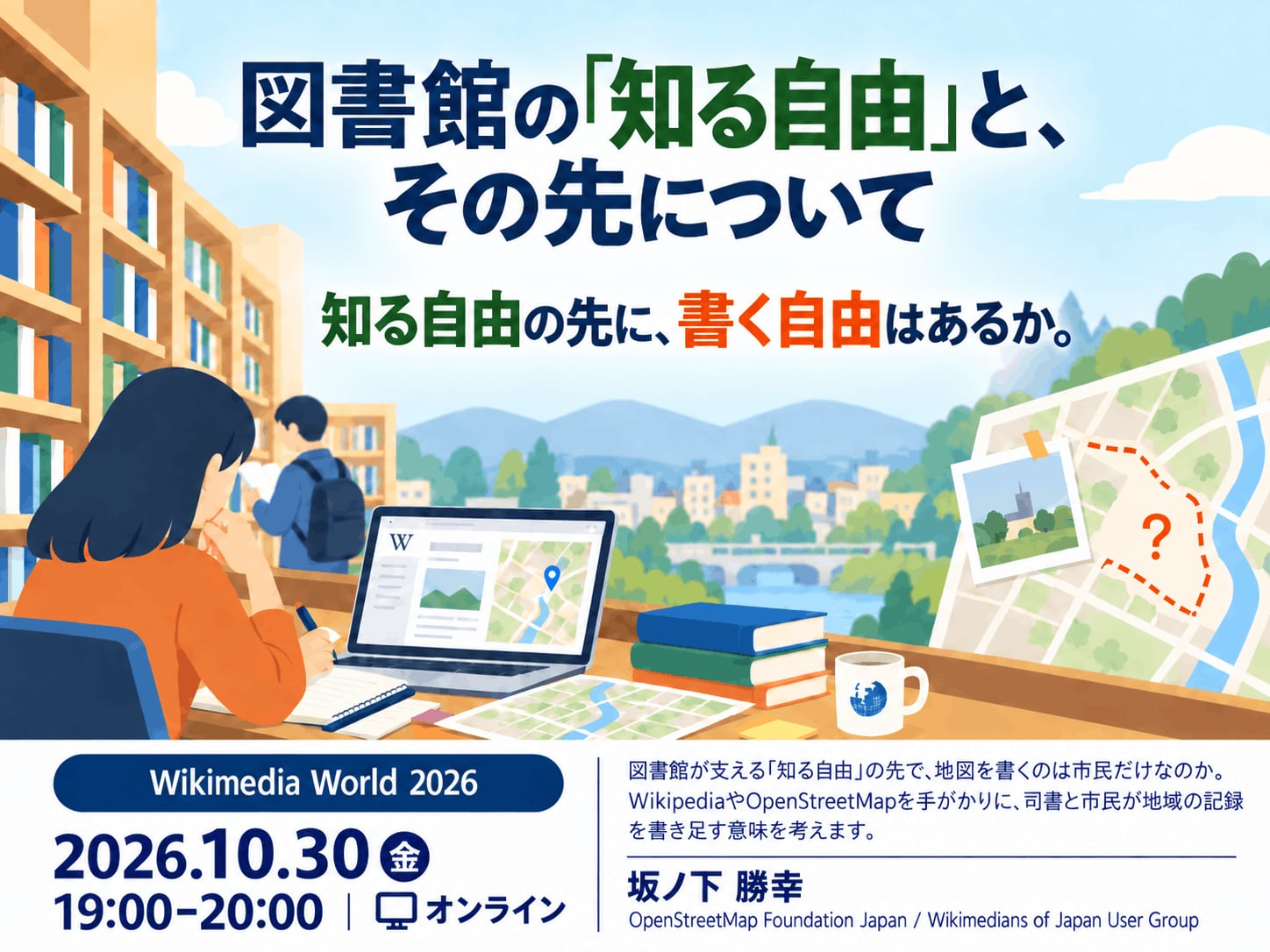
図書館は、市民の「知る自由」を支えてきました。一方で、知ったことを共有し、地域の知識として残し、次の人が使える形にするところまで広げていくには、いくつかの壁があります。
WikipediaやOpenStreetMapは、市民自身が地域の記録を書き足し、オープンな知識として共有できる仕組みです。しかし、公共図書館と一緒にウィキペディアタウンやマッピングパーティを重ねてみると、活動を続ける難しさや、誰がどこまで関わるのかという線引きも見えてきました。
私が関わった範囲では、ウィキペディアタウンは図書館関係者が中心になりやすい一方、マッピングパーティはテーマ次第で、地域のさまざまな人と協働できる場面があります。2015年から図書館の外の立場で現場に関わってきた経験をもとに、図書館とオープンな知識のあいだにある距離と、その距離をどう埋めていくかについて、具体例を交えてお話しします。
参加のお申込み←Registration
"Freedom to Know" in Libraries—and What Lies Beyond
Libraries have long supported citizens' "freedom to know." However, there are several hurdles to overcome when trying to expand beyond that—specifically, sharing what has been learned, preserving it as local knowledge, and making it accessible for future use.
Platforms like Wikipedia and OpenStreetMap enable citizens to document their local areas and share that information as open knowledge. Yet, through repeated collaborations with public libraries on initiatives like "Wikipedia Town" projects and Mapping Parties, challenges regarding the sustainability of these activities—as well as questions about the boundaries of involvement—have become apparent.
In my experience, Wikipedia Town projects tend to be driven primarily by library staff, whereas Mapping Parties offer opportunities to collaborate with a diverse range of local residents, depending on the specific theme. Drawing on my experience working in the field from a position outside the library system since 2015, I will discuss the gap between libraries and open knowledge—and how to bridge it—using concrete examples.
関連フォーラム

世界の図書館によるウィキメディア支援【WW2026】
早稲田Wikipedianサークルと稲門ウィキペディアン会の創設者であるユージン・オーマンディさんは、現在東京大学大学院…
-
図書館がウィキペディアタウンを支援する意義【WW2026】
愛知県田原市の教育部次長兼図書館長である是住久美子さんは、2013年に日本でウィキペディアタウンが始まった草創期から、そ…

ウィキデータの作家・図書データ利用事例とデータの作り方【WW2026】
Open Knowledge Japanの東修作さんはウィキデータ経験が豊富で、Wikimedians of Japan…
-
日本のウィキペディアタウンの歩みと図書館【WW2026】
ウィキペディア英語版の創設は2001年で、日本語版もその年に始まっています。その後、地域の文化財や観光情報をウィキペディ…
-
大学教育とウィキメディア【WW2026】
ウィキメディアンの大学生、大学院生、大学教員が、それぞれの経験と図書館をめぐる話題を語ります。モデレーターのEugene…
-
クマの攻撃、寄生虫、その他危険物【WW2026】
ウィキペディアンとしての経験の長い武蔵大学教授の北村紗衣さんは、「ウィキペディア文学」と呼ばれているものがいったい何か、…
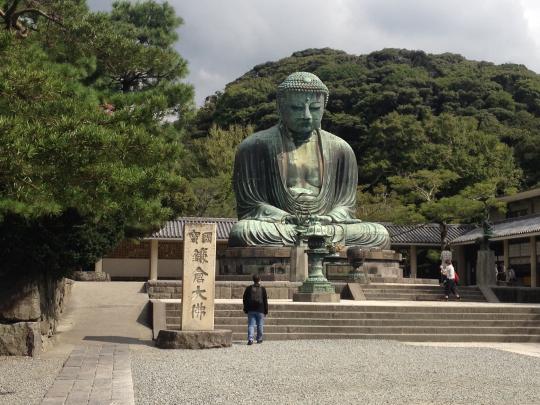
鎌倉エディタソン【WW2026】
鎌倉エディタソンは、ウィキメディア・ワールド2026に際して行われる、オンラインのエディタソン(編集大会)です。(画像:…
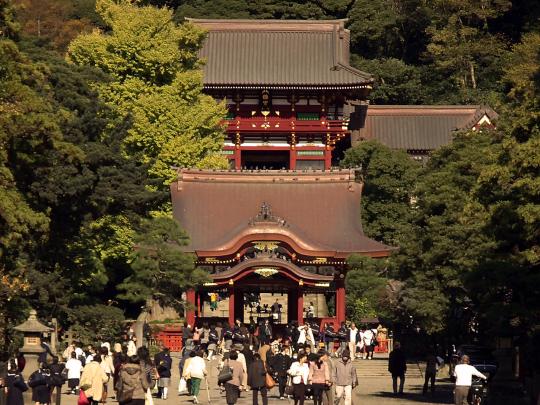
オフライン鎌倉エディタソン【WW2026】
オフライン鎌倉エディタソンは、Wikimedians of Japan User Groupが主催するウィキメディア・ワ…
関連ブース
-
Wikimedia World 2026
ウィキメディア・ワールド2026(WW2026)は、